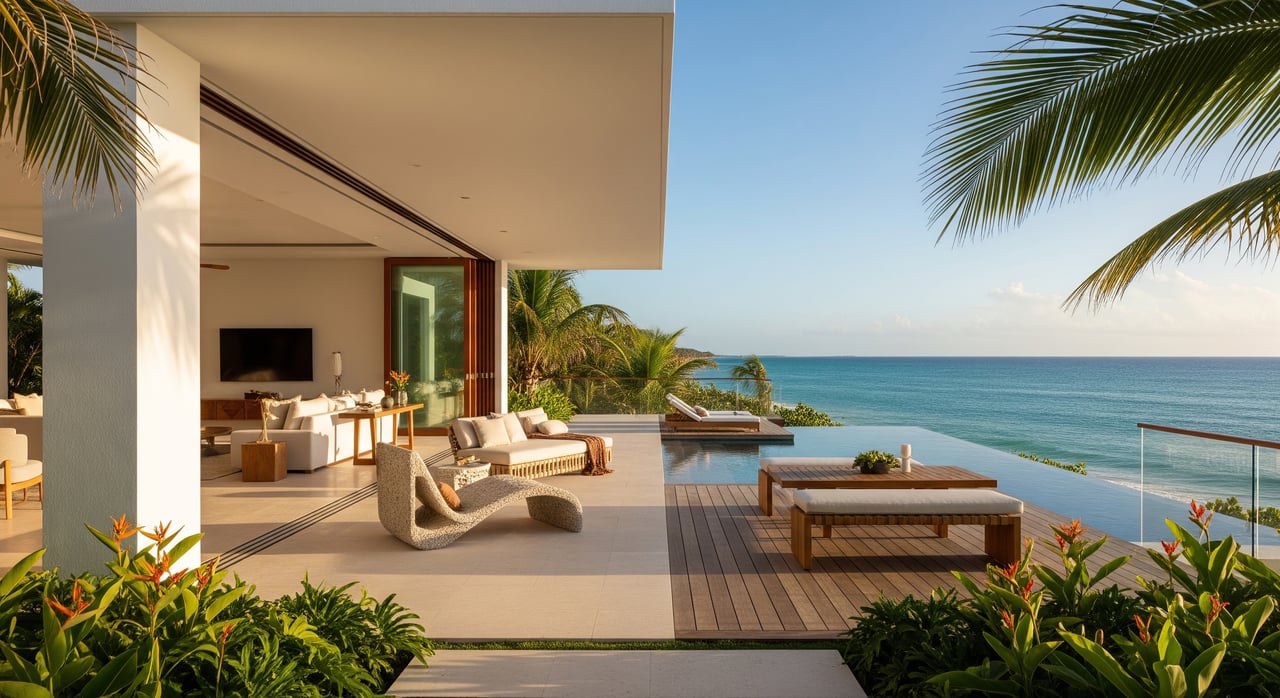
Everyday Living in Dorado Beach Resort Residences
February 5, 2026
February 5, 2026
Ever wondered what day-to-day life feels like inside a true Caribbean resort community? If you are weighing a second home or a full-time move, you want more than pretty photos. You need to understand the pace, the services, and the practical details that shape each day. In this guide, you will get a clear picture of how living at Dorado Beach Resort Residences in Dorado, Puerto Rico actually works, from amenities to ownership. Let’s dive in.
Dorado sits on Puerto Rico’s north coast, just west of the San Juan metro. From the resort area, you are typically 35 to 50 minutes by car to Luis Muñoz Marín International Airport, depending on traffic and time of day. The residences are set on beachfront land within the greater Dorado Beach resort corridor, blending tropical coastline with a managed, private environment. You also have proximity to small-town Dorado for everyday services.
Dorado Beach is designed and operated as a luxury, service-oriented resort community. That means you can expect hotel-level hospitality, curated experiences, and high-touch support as part of daily life. It also means higher operating costs than a standard neighborhood and more guest activity due to resort traffic. The overall feel is private, polished, and purposefully managed.
Within resort residence communities like Dorado Beach, you will typically see a range of homes that cater to different lifestyles and price points. Many owners are second-home buyers from the U.S. mainland, Puerto Rican households, and some international buyers who value privacy and services.
Ownership can be fee simple or part of a residence club structure. Some owners enroll in resort rental programs when not using the home. Your governing documents determine rental policies, guest access, and how you may use the property.
You can expect a condominium or homeowners’ association to manage common areas, with association fees covering items like reserves, landscaping, security, and insurance allocations for common spaces. Separate resort membership or service fees are common for amenities and household services. Fees at luxury beachfront resorts are typically higher than in non-resort neighborhoods, reflecting the service model and facilities.
Life here centers on easy access to the beach, thoughtfully maintained grounds, and a mix of wellness, dining, and recreation options. Many residents lean on staff support for services and maintenance, so you can spend more time enjoying the island.
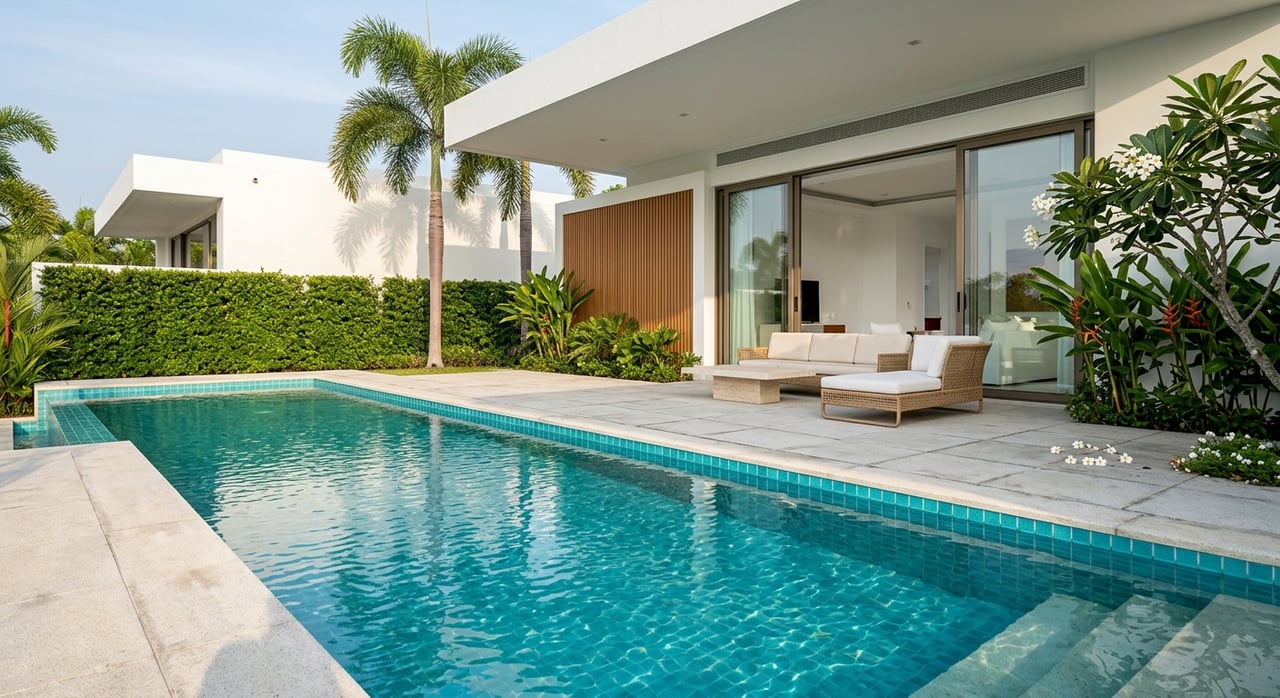
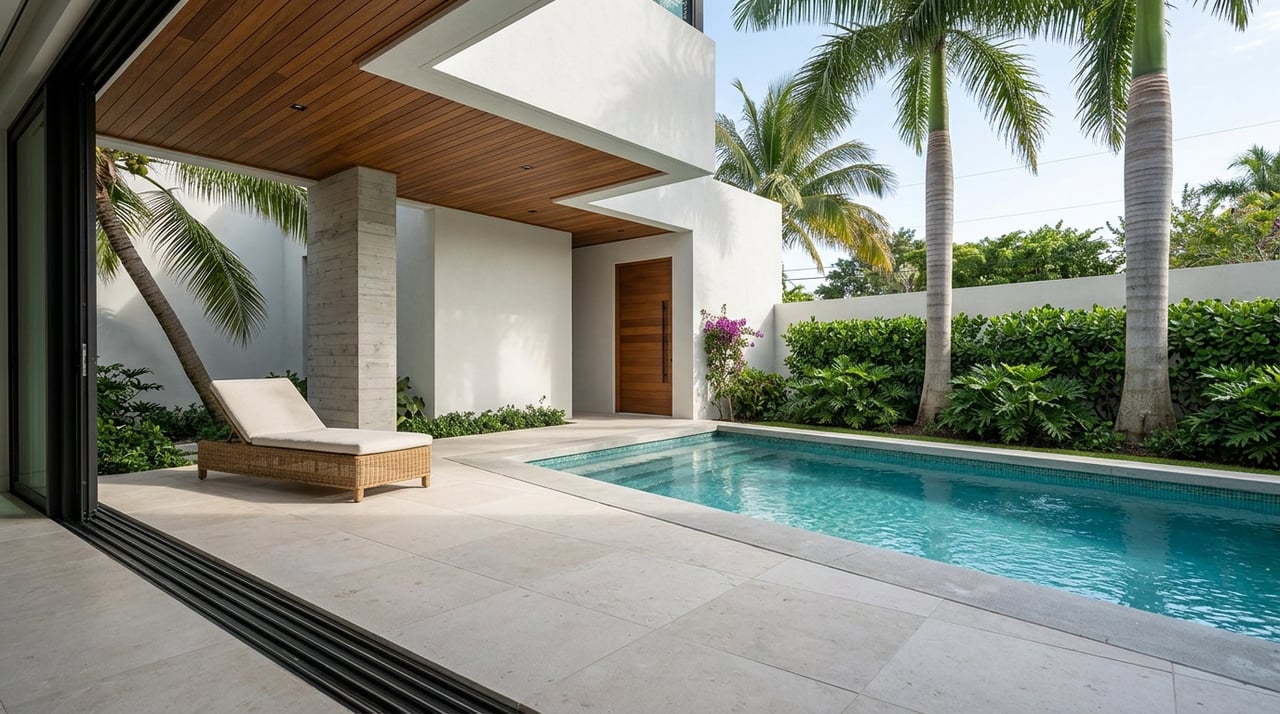
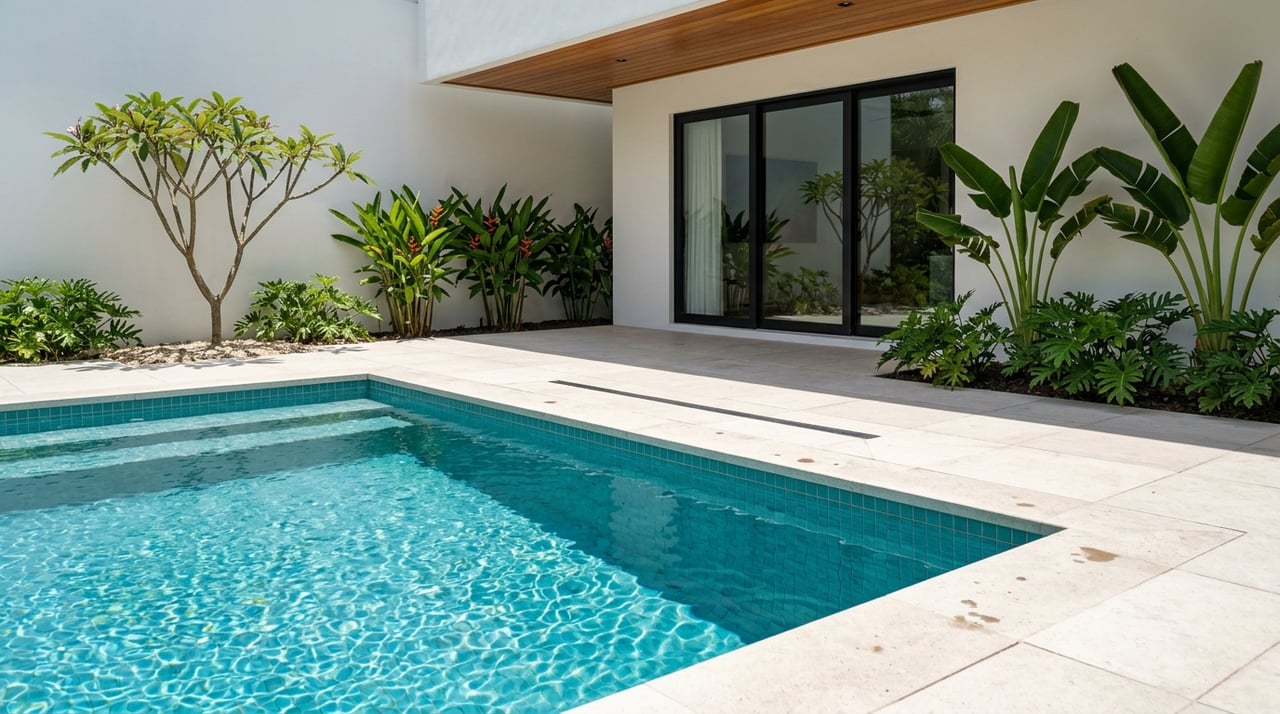
You will find beachfront access with managed sand areas and loungers, plus multiple pools that may include family, lap, or adults-only options. Towel service and poolside support are common in a full-service resort setting. The result is a relaxed routine where a swim or a beach walk is part of any day.
Full-service spa and fitness offerings typically include treatment menus, group classes, and modern equipment. On-site restaurants and bars provide hotel-level food and beverage service at varying price points. You can plan a wellness-focused day or host friends for dinner without leaving the property.
Resort communities like this often include golf access or nearby courses, as well as tennis and pickleball courts with organized play. Many full-service resorts offer seasonal family programming or kids’ clubs. Ask about current programming and any membership requirements.
Concierge support can handle reservations, transport coordination, and pre-arrival provisioning. Optional housekeeping and in-residence services are available in many buildings. For frequent travelers, this helps keep the home guest-ready with minimal effort.
Peak occupancy usually aligns with U.S. winter months and holiday periods. Summer can be quieter, though local school calendars and holidays shape activity patterns. The resort may host special events throughout the year that bring extra energy and visitors.
Buying in a resort means planning for lifestyle and logistics. Here are the core items to consider as you evaluate fit.
Dorado is in a hurricane-exposed region. Verify wind and flood insurance requirements and associated costs for your specific building or parcel. Ask about building hardening, backup power, secure storage, emergency procedures, and post-storm recovery plans. Also review how special assessments are handled after major events.
Puerto Rico offers unique tax regimes and residency incentives that can be valuable for certain buyers. Because planning is complex and highly individualized, consult a Puerto Rico-based tax attorney or CPA before you purchase or relocate. Non-U.S. buyers should also seek immigration and tax counsel.
The resort’s proximity to San Juan means you can travel conveniently, with typical drive times to SJU of about 35 to 50 minutes. Private air charter or helicopter services are options some owners use. Most residents keep a car, though resort shuttles and on-demand transport can cover local errands.
Dorado and nearby towns offer groceries, pharmacies, dining, and medical clinics. For higher-acuity care and expanded shopping, the San Juan metro area is within reach. Families often explore both local and metro-area schooling options.
Choose Dorado Beach if you value a polished, service-led lifestyle, strong privacy and security, and a community designed around wellness, dining, and recreation. It suits seasonal residents who want easy upkeep and in-residence services, as well as buyers seeking a full-time resort experience. If you prefer a low-fee, do-it-yourself neighborhood, a non-resort setting may be a better match.
Ready to explore specific buildings, membership options, or rental potential? Connect with a local advisor who lives this market every day. For private showings, new development insights, turnkey rentals, and relocation concierge, reach out to Margarita Marquez Ortiz - MMO Realty.
Stay up to date on the latest real estate trends.
I pride myself on providing personalized solutions that bring my clients closer to their dream properties and enhance their long-term wealth.