Are you exploring Dorado Beach but unsure how to compare condos, villas, and estates? You are not alone. The resort has several property types, pricing drivers, and ownership details that can feel complex at first glance. This guide gives you a clear, practical framework so you can read listings confidently, time your search well, and make smart decisions. Let’s dive in.
Know the property types
Condos and resort residences
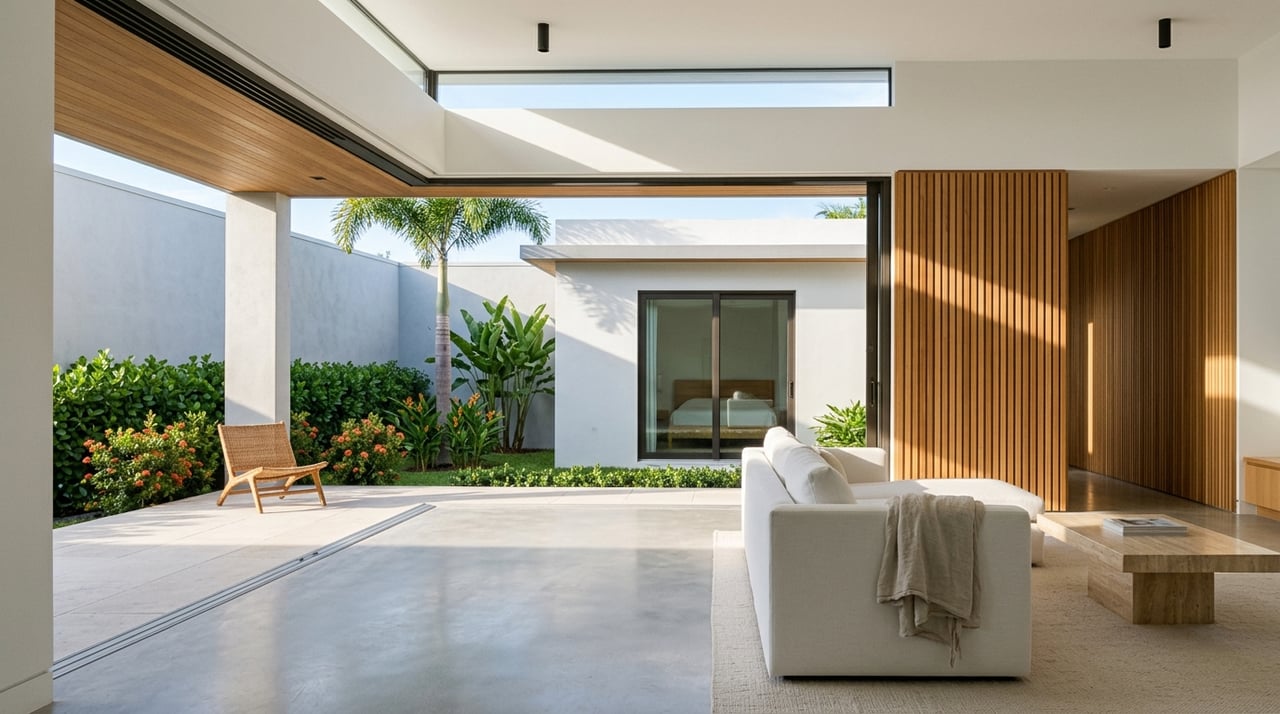
Condos are individual units within larger complexes. They are often move-in ready and may offer optional or mandatory participation in a resort management or rental program. This segment usually has the most available units and the highest liquidity by count.
Villas and townhomes
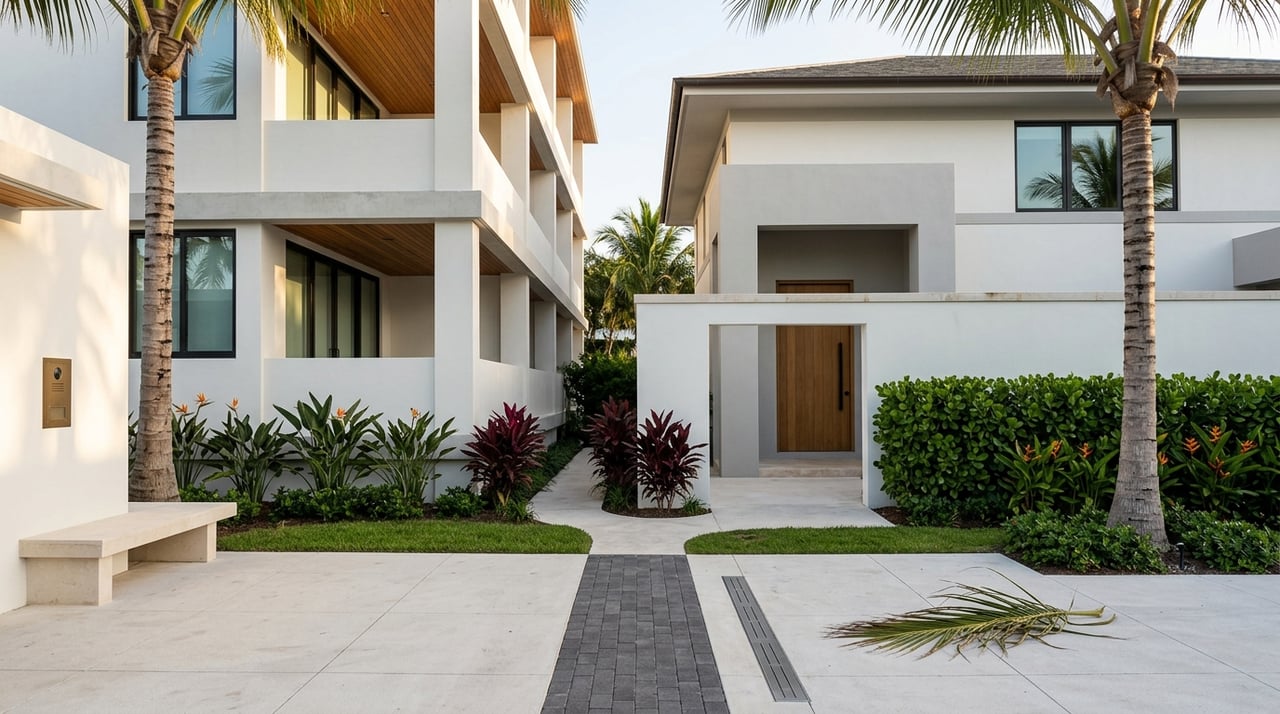
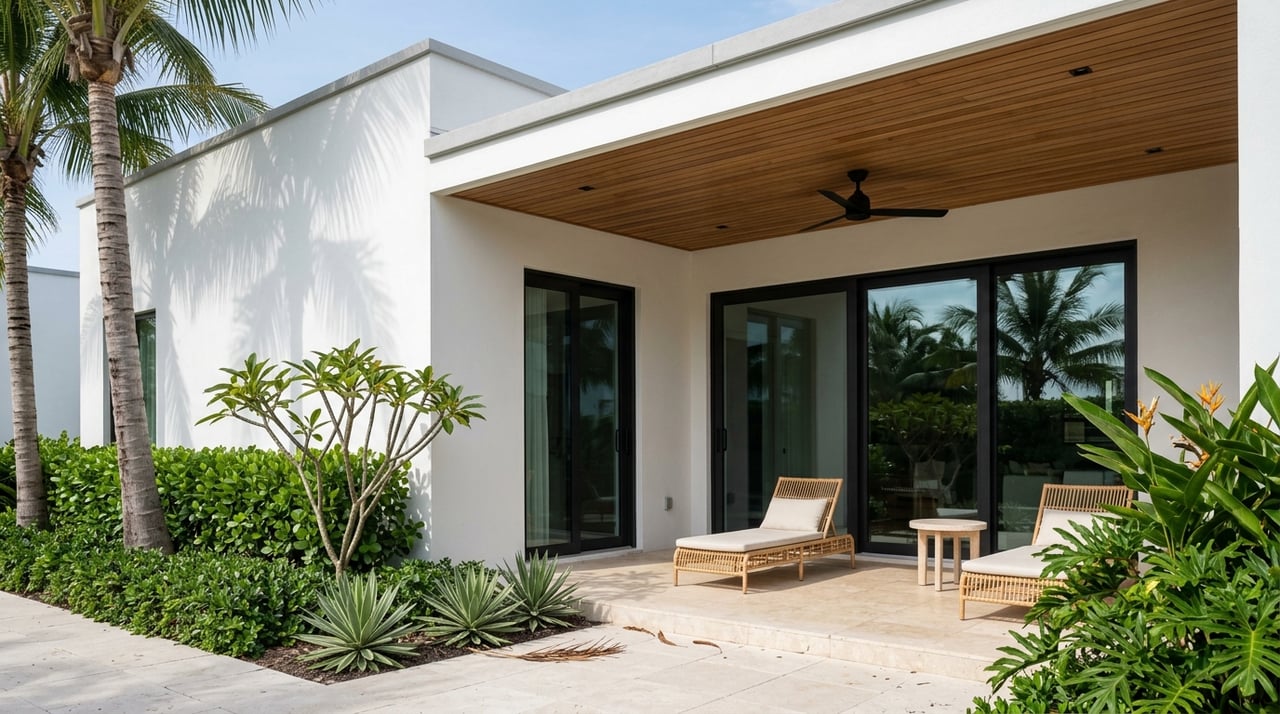
Villas are detached or semi-detached homes with multiple bedrooms and private outdoor space. Inventory is thinner than condos and appeals to buyers who want more privacy and room to entertain. Liquidity is moderate since there are fewer direct comparables.
Estates and private homes
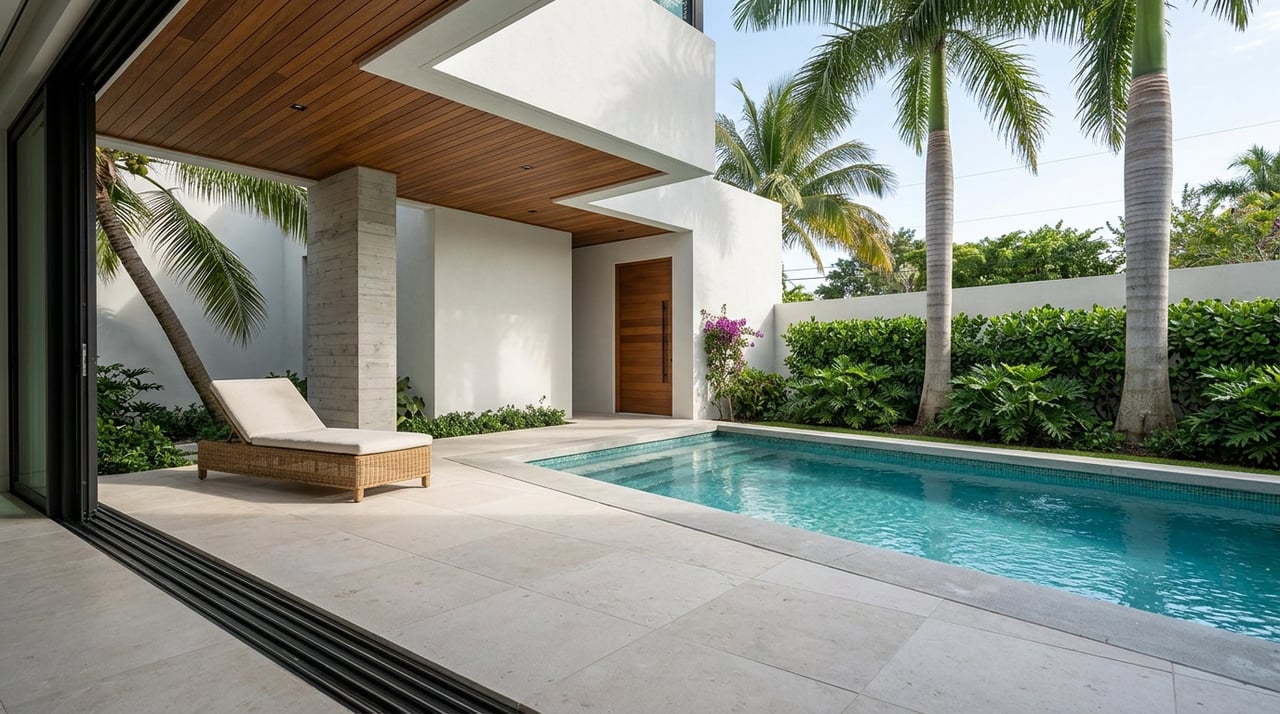
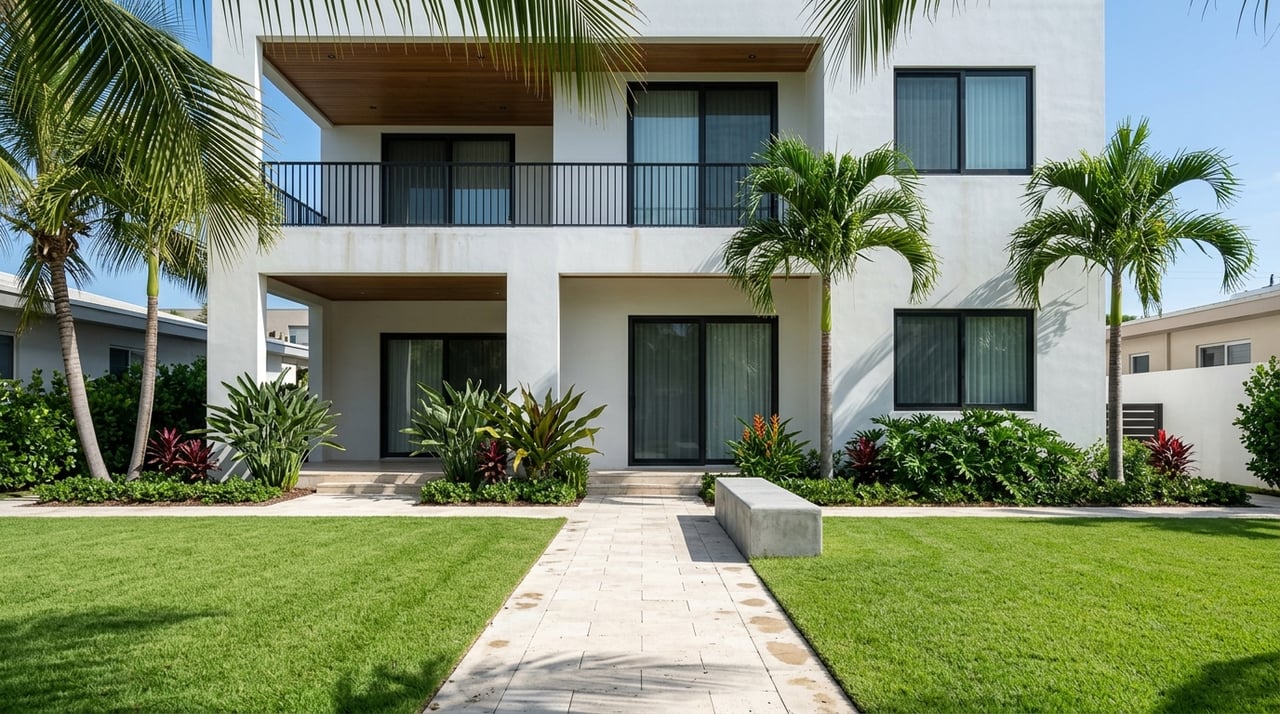
Estates are larger single-family homes on beachfront or near-beach lots. They are the rarest properties with the longest time on market. These attract buyers who value maximum privacy and one-of-a-kind architecture or locations.
Who typically buys here
- Second-home owners who want resort convenience and services.
- Investors who value short-term rental income, subject to local regulations and resort rules.
- Primary residents, though this is less common at ultra-luxury price points.
- High-net-worth buyers focused on privacy and trophy assets, mainly in the villa and estate segments.
How timing and liquidity work
Condos tend to move fastest given volume and lower price points relative to villas and estates. Villas sell at a moderate pace since fewer direct comparables can slow decision-making and appraisals. Estates often require longer marketing windows and more negotiation. Activity often rises from late fall through spring as winter visitors arrive and holiday travel peaks, though seasonality can vary by year.
What drives prices in Dorado Beach
Use this checklist to understand price differences between similar listings.
Location and orientation
- View is a major driver. Direct oceanfront and unobstructed water views command a premium over garden or golf-course outlooks.
- Proximity to pools, beach clubs, and restaurants pushes demand and willingness to pay.
Size and outdoor living
- Total square footage, bedroom and bathroom count, and terrace or patio space shape value.
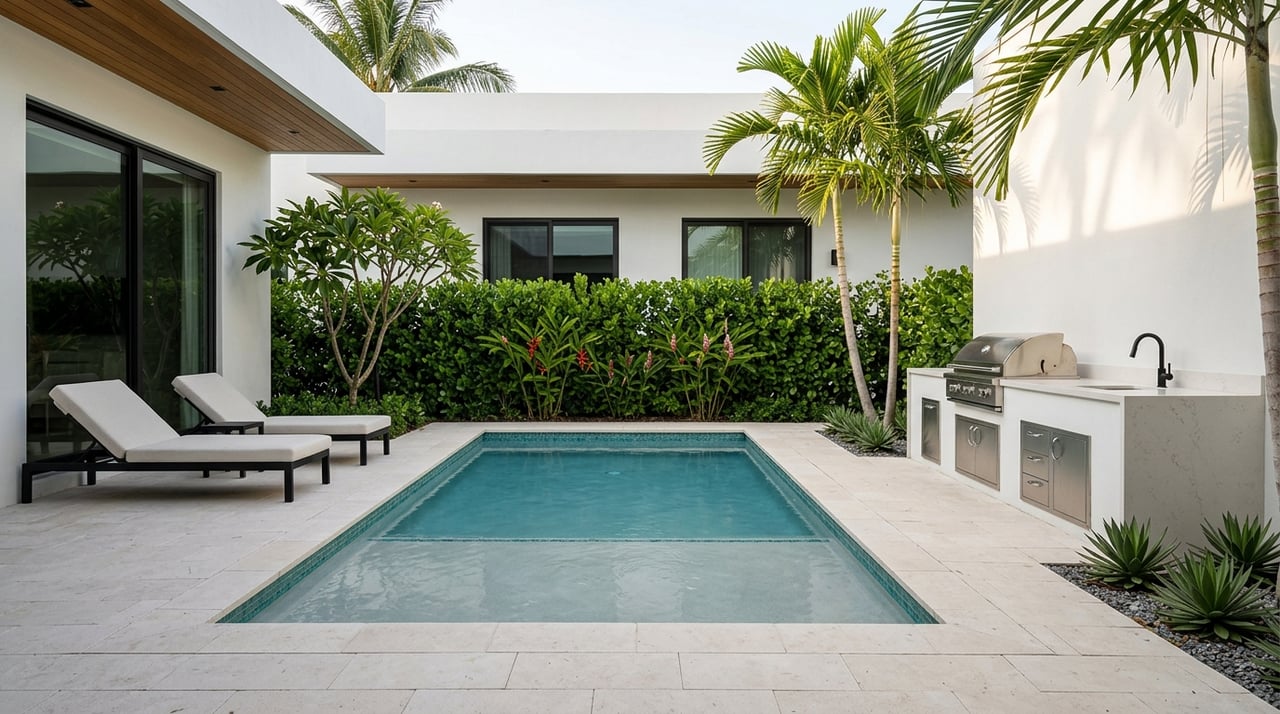
- Usable outdoor living areas are highly valued in tropical resort markets.
Condition and finishes
- Recent renovations, high-end finishes, and turnkey furnishing packages lift pricing.
- Older or unrenovated homes can trade at a discount but may require meaningful reinvestment.
Floor level and exposure
- In condo buildings, higher floors with direct water views typically price above lower or partial-view units.
Resort services and rental programs
- Participation in branded resort management or rental programs can add value due to professional operations and hotel-style services.
- Mandatory rental programs or strict owner-use rules can deter buyers seeking full private use.
HOA and assessments
- Monthly fees cover security, landscaping, pools, insurance, utilities, and staffing. Higher fees increase ownership cost and reduce net yield for investors.
- Special assessments for capital improvements are common in resort communities. Always review recent financials.
Supply and new development
- New developer inventory may pressure nearby resale pricing if released in bulk.
- Scarcity of oceanfront parcels and true estates supports sustained higher pricing in those segments.
Macro and local influences
- Mortgage rates, U.S. economic conditions, and relocation to Puerto Rico, including tax-incentive moves, shape demand.
- Climate risk perception, flood zone, and insurance availability and cost affect net pricing.
How inventory typically moves
Listing patterns
Listings usually include price, photos, floor plans, association fees, and sometimes rental income or occupancy history for condo units. If a property sits 60 to 120 days with rapid price changes, that can signal initial overpricing or softer demand at that level.
Competition and contingencies
Attractive prices or rare inventory can trigger multiple offers. Sellers may prefer strong cash offers or minimal contingencies. For homes tied to resort programs or complex association rules, factor in contingency time to review condo documents and due diligence.
Common negotiation levers
- Closing timeline, whether you can move fast or offer delayed possession.
- Financing versus cash. Cash can be stronger where lending is slower or international buyers are active.
- Inclusion of furnishings, appliances, club memberships, or prepaid fees.
- Repair credits or price adjustments based on inspections and the cost to reach your desired condition.
Rental and cash flow considerations
If income matters to you, request verified historical rental performance with revenue, occupancy, and seasonality. Account for management fees, housekeeping, resort commissions, and taxes when modeling net.
Due diligence and ownership costs
Documents to review
- HOA financial statements, reserve studies, and meeting minutes.
- House rules and short-term rental policies.
- Title report and deed. Confirm easements, liens, and boundaries.
- Survey or plot plan for villas and estates.
- Seller disclosures and warranties for appliances or renovations.
Inspections and risk checks
- Order a full inspection of structure, roof, HVAC, electrical, and plumbing.
- Evaluate hurricane resiliency, including shutters or impact windows, roof condition, drainage, and elevation versus base flood elevation.
- Review FEMA flood maps and local flood zone designations. These affect insurance needs and premiums.
Insurance and climate costs
- Seek quotes for hazard, wind, and flood coverage. Capacity and pricing have shifted in hurricane-exposed markets.
- Confirm what the association’s master policy covers and what interior finishes fall to you as the owner.
Taxes, transfer fees, and recurring costs
- Property taxes in Puerto Rico differ from the mainland. Confirm current Dorado municipal rates and any exemptions.
- Closing costs typically include title and recording fees, notary charges, and possible transfer taxes. A local closing attorney or title company can provide specifics.
- Plan for ongoing costs, including HOA or resort fees, utilities, maintenance, property management, and potential capital improvement assessments.
Financing and legal steps
- Some U.S. lenders finance Puerto Rico properties, but criteria can differ. Ask about loan-to-value, rates, and required reserves.
- Foreign buyers and non-resident U.S. taxpayers should consult tax advisors about Puerto Rico rules and U.S. filings.
- Use local real estate counsel for title, closing, and review of association documents.
Building solid comparables
- Focus on closed sales from the past 6 to 18 months. Match property type, size, view, and condition.
- Adjust for differences in view, floor level, renovation status, outdoor space, and whether furnishings or club privileges are included.
- Track days on market and list-to-sale ratios to gauge demand and seller flexibility.
Craft a smart search plan
Step 1: Clarify your must-haves
Decide whether oceanfront views, walkability to beach clubs, or privacy are top priorities. Determine your preferred property type and bedroom count, and whether rental income is important now or later.
Step 2: Set your operating budget
Model monthly costs, including HOA or resort fees, insurance, utilities, and management. If you plan to rent, build a conservative pro forma with realistic occupancy and fees.
Step 3: Line up your team
Engage a local buyer’s agent who knows Dorado Beach Resort inventory and off-market opportunities. Consult a lender early if you will finance. Identify a local closing attorney and insurance broker.
Step 4: Request key documents early
Before you submit an offer, ask for HOA financials, house rules, and any available rental histories. For villas and estates, request surveys and permits to speed diligence.
Step 5: Time your tours
Visit in both peak and off-peak periods to evaluate service levels, activity, and the community feel. Remain flexible, since renovated waterfront and turnkey units can trade quickly.
What this means for you
If you want the quickest path to a resort residence, focus on condos with strong views and updated finishes, and be ready to act when a well-priced unit lists. If privacy and space are your goal, expect a longer search for the right villa or estate and build time into your plan for negotiations and inspections. In all cases, review HOA and insurance details early so your numbers are accurate.
Ready to move from research to results in Dorado Beach? Connect with a local expert who blends deep on-the-ground knowledge with a white-glove process. Reach out to Margarita Marquez Ortiz - MMO Realty to discuss your goals, review targeted comps, and Get Access To My Private Listings.
FAQs
Are rental programs mandatory in Dorado Beach?
- It depends on the specific building or phase. Some developments have optional participation and others have mandatory programs with defined owner-use windows. Always review the condo declaration and rental rules.
How fast do condos sell at Dorado Beach?
- Condos are typically the most liquid due to higher unit count and accessible price points. Activity can accelerate in late fall through spring, and rare, well-priced units can attract multiple offers.
What fees should I expect beyond the price?
- Plan for HOA or resort fees that cover security, landscaping, pools, portions of insurance, and staffing. Also budget for utilities, insurance, and possible special assessments for capital projects.
Can foreign buyers purchase in Puerto Rico?
- Yes. Puerto Rico allows foreign ownership. International buyers should work with legal and tax advisors to understand cross-border and U.S. filing implications.
How should I gauge hurricane and flood risk?
- Evaluate resiliency features such as impact windows and roof condition, check FEMA flood zones and elevation, and secure quotes for hazard, wind, and flood insurance to understand true carrying costs.